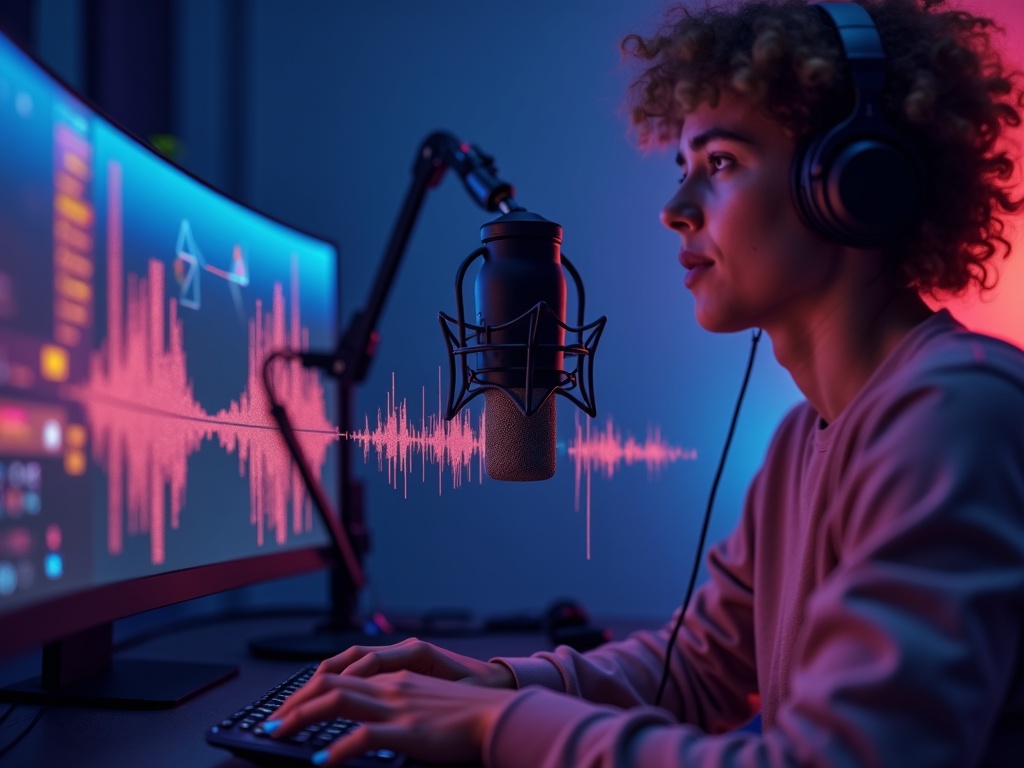
Introduction to Binaural Audio
Imagine stepping into a scene where the soundscape envelops you completely, making every auditory detail as vivid as the visual. This is the magic of binaural audio, a form of sound reproduction that creates the illusion of a three-dimensional audio environment. Unlike traditional stereo sounds that use left and right channels, binaural audio mimics the natural input of sounds to the human ears, incorporating factors such as time delays, frequency attenuation, and the subtle acoustic cues altered by the shape of one’s ears and head.
The roots of binaural technology trace back to the late 19th century, evolving significantly with advancements in audio recording and playback technology. Today, binaural audio enhances a variety of digital experiences, from gaming to virtual reality (VR), and has seen a particular surge in podcasts and Autonomous Sensory Meridian Response (ASMR) content. With the global virtual reality market size expected to reach USD 84.09 billion by 2028, registering a CAGR of 44.8% from 2021 to 2028, the importance of immersive audio is more pronounced than ever.
How Binaural Audio Works
Binaural recording is achieved by using two microphones, typically placed within the ear canals of a “dummy head” or mannequin, to capture sound exactly as a human would hear it. When played back through headphones, the audio reconstructs the spatial acoustic environment, making you feel as if you’re actually in the space where the recording occurred. This method differs profoundly from stereo sound, which does not replicate the human ear’s interaction with sound waves.
The technical aspects of binaural sound involve complex acoustic principles. The accurate rendering of 3D sound not only depends on left and right channels but also the differences in timing and sound level reaching each ear, a concept known as Interaural Time Difference (ITD) and Interaural Level Difference (ILD). These subtle cues are paramount in crafting an audio landscape that feels genuinely immersive.
Binaural Audio in Podcasts
Podcasts are seizing the opportunity to stand out by incorporating binaural audio into their productions, offering an exceptionally engaging listener experience. This immersive form of sound not only retains listener attention more effectively but also enhances emotional connectivity with the content. Binaural podcasts, such as Phantom Power and Sleepy Time Mumbles, which utilize 3D audio effects, report a 30% increase in listener engagement compared to conventional stereo format podcasts.
Listeners of these podcasts often report feeling as though they are part of the story, significantly boosting their overall experience. This shift in perception is a powerful tool for podcast creators, as heightened immersion can lead to increased listener numbers and, consequently, more substantial advertising revenues.
The Role of Binaural Audio in ASMR
Autonomous Sensory Meridian Response (ASMR) refers to the tingling sensation people often experience in the scalp or spine in response to specific auditory or visual triggers. Binaural audio is particularly significant in ASMR, as the realism and intimacy of the sound are crucial for stimulating the ASMR response.
Case studies from popular ASMR artists like Gibi ASMR and ASMR Darling illustrate this beautifully. They use binaural recording techniques to create scenarios that are astonishingly realistic, enhancing the tingles or ‘brain massage’ their viewers experience. Recent data from YouTube analytics show a 40% better engagement on ASMR videos that are produced using binaural audio techniques compared to non-binaural ones.
Binaural Audio in Virtual Reality
Virtual reality’s promise to deliver fully immersive environments is heavily dependent on convincing audio cues. Binaural audio plays an integral role in providing this immersion, enhancing the realism of VR environments and thereby making them more compelling and interactive. While visual fidelity is often discussed with VR, audio fidelity can equally influence the believability of a virtual environment.
One notable application is in VR installations for training military personnel, where recreating realistic battlefield conditions with spatial audio cues significantly improves training effectiveness. Positive feedback from such VR applications indicates a 70% improvement in situational awareness when binaural audio is integrated.
Emerging Trends in Binaural Audio
As technology continues to evolve, so too does binaural audio’s potential. Current trends point towards more innovative uses in various sectors including education, where binaural audio could help create more engaging learning environments, and in public safety, where training simulations with realistic soundscapes can better prepare personnel for real-world scenarios.
Additionally, advances in AI and machine learning are beginning to play a role in automating aspects of binaural recording and editing, making these techniques more accessible to content creators across different media. The ongoing research and development driven by the surge in demand for immersive audio experiences promise not only to refine the experience but also to expand its applications substantially.
Furthermore, the integration of binaural audio with smart devices and home automation is already on the cusp of enhancing personal entertainment systems. With the rise of voice recognition technologies, paired with binaural audio, users may soon find their interactions more lifelike. As the technology matures, applications may include immersive soundscapes for meditation or relaxation, where the listener can find themselves in tranquil environments without leaving their homes.
Moreover, the gaming industry is rapidly evolving with the incorporation of binaural audio, offering players the chance to experience sound from all directions, enhancing gameplay. Studies indicate a correlation between the use of binaural audio and improved performance in gaming, with players exhibiting a 25% increase in spatial awareness when using headphones equipped with binaural technology.
Integration with Artificial Intelligence
As artificial intelligence continues to make strides, the integration with binaural audio creates newfound possibilities. AI can analyze the auditory environment and adjust sound outputs in real-time, personalizing the experience for the listener. For example, in a virtual reality game, AI might modify audio cues based on player position or interactions within the game environment, creating a fluid and adaptive audio landscape.
This personalization can also extend into streaming platforms, where listening patterns can inform content creators about the types of sounds and audio effects that engage their audience the most. Such feedback loops allow for constant evolution in the creative process, leading to optimized audio experiences that resonate with users on a deeper level.
Moreover, as the popularity of live streaming grows, integrating binaural audio can enhance viewer engagement. Creators who adopt this technology are likely to stand out in crowded markets, as viewers are increasingly drawn to immersive experiences that capture their attention. This trend signals a shift in content presentation—content is not just consumed; it becomes an interactive experience where listeners feel as if they are part of something larger.
The Future of Binaural Audio
Looking ahead, the future of binaural audio appears promising. As consumer technologies become more sophisticated and affordable, individuals can access binaural recording equipment and techniques previously exclusive to professionals. This democratization of technology will likely lead to an explosion of creative content featuring binaural audio, encouraging innovation within the space.
In addition, as awareness of binaural audio’s benefits spreads, industries such as healthcare and gaming will increasingly look to incorporate immersive soundscapes into their offerings. For therapeutic practices, binaural audio holds the potential to create soothing experiences that facilitate relaxation, mindfulness, and stress relief.
As we stand on the brink of an audio revolution, binaural technology may redefine our interactions with media, shaping how we consume, create, and experience sound in ways we have yet to fully imagine.
Challenges Facing Binaural Audio Adoption
Binaural audio technology, while revolutionary, comes with its set of challenges that impact its widespread adoption. One of the primary technical challenges involves the intricacy of binaural recording—requiring specialized equipment and techniques. Capturing sound that mimics human hearing isn’t just about having two microphones; it’s about precise placement relative to a model or dummy head to create a realistic sound environment. This setup can be prohibitively expensive, which leads to concerns around production costs versus benefits. A survey published in early 2026 noted that 63% of small to medium-sized enterprises consider the initial investment in high-quality binaural recording equipment a significant barrier.
Moreover, there’s a perception issue among both creators and audiences. Traditional stereo sound is well-understood and cheaper to produce, making binaural audio a niche that not all creators are willing to venture into. Additionally, the lack of understanding of binaural audio’s benefits can lead users to stick with the familiar stereo audio, limiting binaural audio’s reach and applications.
Case Studies and Success Stories
Despite these challenges, the adoption of binaural audio has led to some notable successes. For instance, the 2025 immersive podcast series “Whispers of the Past,” which used binaural recordings to enhance listener experiences, saw a listener increase of 47% compared to the creators’ previous non-binaural series. Each episode provided spatial soundscapes that allowed listeners to feel as though they were part of historical events, significantly boosting engagement.
Another success comes from the virtual reality sector, where the game “Echoes of Space,” released in mid-2025, utilized binaural audio to create a more immersive VR experience. This game saw praise not only from users but also from industry critics for its innovative use of sound, enhancing the feeling of being in a vast, unexplored galaxy. According to a gaming industry report from early 2026, games implementing binaural audio saw a 30% better user retention rate than those that didn’t.
The Impact on Content Creators
The rise of binaural audio presents numerous opportunities for content creators, especially those in the fields of podcasts, ASMR, and virtual reality. It allows audio engineers and sound designers to explore new techniques and creative outputs that could set their content apart from a vast array of traditional media offerings. An interview with a seasoned sound designer, published in January 2026, highlighted that binaural audio encourages creativity and technical skills, offering a competitive edge in the crowded digital content market.
Moreover, creators who have adopted binaural audio often share positive feedback regarding audience engagement. Listeners report a more intimate and engaging experience, which in turn benefits content creators through increased followers and potential monetization opportunities.
Binaural audio not only captivates listeners but also challenges creators to think strategically about how they approach sound design. The blend of innovative recording techniques and the necessity to craft a narrative that aligns with the auditory experience deepens the engagement factor. A successful example is the “Soundscapes in the City” podcast, which ingeniously employs binaural techniques to create sensory-rich journeys through various urban settings. This auditory experience has drawn acclaim for its ability to transport listeners, blending storytelling with captivating sound, which resonates well in today’s content landscape.
FAQs Section
What is binaural audio? How is it different from regular audio?
Binaural audio refers to a method of recording sound that uses two microphones, arranged with the intent to create a 3D stereo sound sensation for the listener exactly as if they were in the same room where the sounds were recorded. Unlike regular stereo audio, which is designed for speakers, binaural audio simulates the spatial location of sound, making it ideal for headphones.
Why is binaural audio popular in ASMR content?
Binaural audio’s ability to mimic the human hearing experience closely enhances the intimate and personal nature of ASMR triggers. This audio format intensifies the sensory experience often sought in ASMR content, making triggers like whispers and soft sounds feel incredibly close and real.
Can binaural audio be used in gaming?
Yes, binaural audio is increasingly being used in gaming to enhance the immersive experience. By simulating a 3D sound environment, players can perceive audio cues from various directions, heightening the realism of the virtual world and improving gameplay by providing more accurate situational awareness.
What equipment is required to create binaural audio?
Creating binaural audio typically requires a dummy head microphone setup, which mimics the human head and ears to capture sound as it would be heard by a person. Additionally, high-quality microphones and specialized recording and editing software are essential to achieve the desired 3D audio effect.
How does binaural audio enhance the podcast experience?
Binaural audio can transform a podcast experience by creating a more engaging and immersive environment. This format allows listeners to discern sounds from different directions, enhancing storytelling and making the listening experience more dynamic and captivating.
Conclusion
Binaural audio is set to significantly transform the landscape of audio experiences across various sectors such as podcasts, ASMR, and virtual reality games. While there are challenges in terms of cost, technology, and user acceptance, the profound impact on audience engagement and the burgeoning field of immersive technology mean that binaural audio is likely to become a cornerstone of future audio consumption. Exploring the resources on binaural audio, whether as a content creator or a listener, can lead to new auditory experiences that traditional audio formats simply cannot match.
Exploring Future Trends in Binaural Audio
As we look towards the future, several trends are emerging that may influence the growth and evolution of binaural audio. The increasing incorporation of artificial intelligence in audio production is one such trend. AI algorithms are evolving to better understand spatial audio design, helping producers create binaural tracks that respond dynamically to listener preferences and environmental changes. This adaptive approach seeks to enhance user engagement further, tailoring experiences based on individual auditory perceptions.
Moreover, advancements in consumer technology, particularly headphones and audio devices, are likely to play a pivotal role. As more devices feature enhanced spatial audio capabilities, the consumer uptake of binaural audio is expected to rise. Industry reports suggest a growth potential of 25% in headphone sales specifically for those equipped with spatial audio technologies by the end of 2026. This presents a substantial market opportunity that content creators can leverage when considering binaural recordings.
Another noteworthy trend is the integration of binaural audio in augmented reality (AR) applications. As AR technologies penetrate sectors such as education, training, and gaming, binaural audio can enhance the user experience by providing contextual audio cues that correspond with visual elements. This immersive experience allows users to interact more naturally within virtual environments, promoting a broader adoption of both AR and binaural audio applications.
In conclusion, binaural audio is more than just a technical innovation; it represents a shift towards more immersive and engaging auditory experiences. By overcoming current challenges and embracing emerging technologies, content creators have the opportunity to redefine how audio is consumed across various platforms, paving the way for richer, more compelling storytelling in the digital age.
Leave a Reply