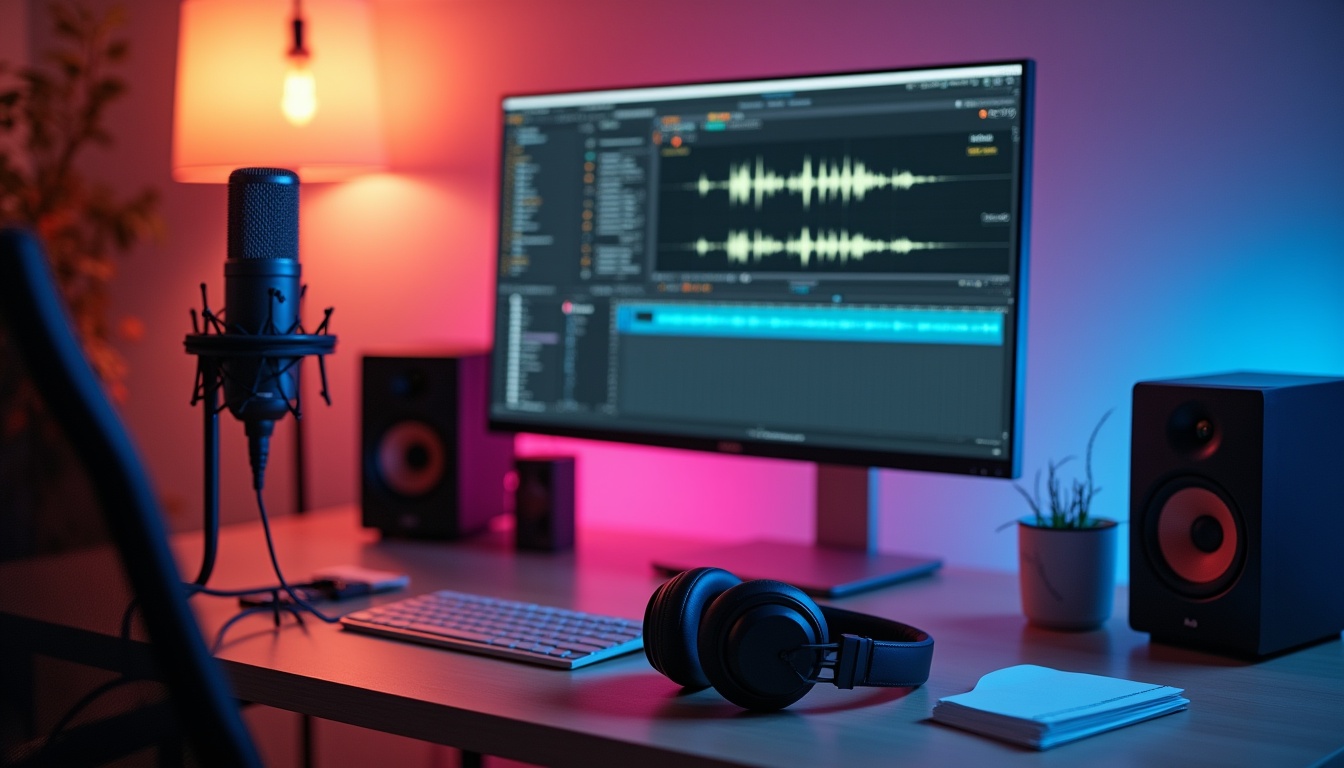
Introduction to Podcast Editing
Podcast editing is an essential aspect of podcast production that involves the manipulation and refinement of audio content to enhance sound quality and deliver a clear, engaging experience to listeners. In the past 12 months, the podcast industry has seen significant growth, with over 2 million active podcasts and approximately 48 million episodes produced globally. This surge underscores the importance of effective podcast editing, as well-crafted episodes can greatly influence a podcast’s success by improving listener retention and satisfaction.
Types of Podcast Editing
Podcast editing can vary significantly based on the format and the storytelling approach. Primarily, there are three types of podcast editing:
- Narrative Editing: This style focuses on storytelling, often requiring a more scripted approach. It involves extensive editing to ensure the narrative flows logically and emotionally engages the audience.
- Interview Editing: Common in podcasts featuring guest speakers, this type requires skillful editing to maintain the guest’s perspective while keeping the conversation dynamic and concise.
- Panel Discussion Editing: Involving multiple speakers, panel editing must balance various voices and perspectives, often necessitating careful volume balancing and cue management to ensure a smooth listener experience.
Understanding these editing styles helps podcasters choose the approach that best fits their content, contributing to a more targeted and effective editing process.
Essential Podcast Editing Tools
To produce a professionally sounding podcast, both hardware and software play pivotal roles. Here’s a closer look:
Software Tools
Software is at the heart of podcast editing. Popular choices include:
- Audacity: A free, open-source tool ideal for beginners but powerful enough for advanced users.
- GarageBand: Available on macOS and iOS, it’s user-friendly and perfect for those already within the Apple ecosystem.
- Adobe Audition: Known for its robust feature set and fine-tuning capabilities, suitable for professional podcast producers.
Choosing the right software depends largely on the user’s experience level and the complexity of the podcast production.
Hardware Tools
Good quality hardware is crucial for recording clear audio. Essential hardware includes:
- Microphones: A high-quality microphone can dramatically improve the sound of your podcast. Options range from USB to XLR microphones, with brands like Audio-Technica and Shure being popular among podcasters.
- Headphones: For editing purposes, closed-back headphones are preferred, which offer better sound isolation.
- Audio Interfaces: For those using XLR microphones, an audio interface is required to connect the microphone to your computer. Focusrite Scarlett is a popular choice among podcasters.
These tools collectively contribute to the clarity and quality of the podcast, influencing how professionally it comes across to listeners.
Recommended Website Tools
Websites like Bensound and Epidemic Sound have become go-to resources for royalty-free music and sound effects. These platforms offer a vast library of options that podcasters can use to add a professional touch to their episodes.
Preparing Your Audio for Editing
Effective organization and high-quality recording are preliminary steps crucial before the actual editing process begins.
Organizing Your Audio Files: It’s essential to maintain organized directories with clearly labeled files. This not only streamlines the editing process but also reduces errors and time spent searching for specific clips.
Tips for Recording High-Quality Audio:
- Choose a quiet environment: Minimize background noise by recording in a quiet room.
- Use appropriate gear: Utilize a good quality microphone and ensure it is properly set up to capture clear audio.
- Test your setup: Always record a short sample to check for any issues with the audio levels or environmental noise.
Basic Editing Techniques
The foundation of podcast editing lies in mastering basic editing techniques, which include:
- Trimming and Cutting Audio: This allows the editor to remove unnecessary parts of the audio, keeping only the segments that add value to the podcast.
- Adding Music and Sound Effects: Background music and sound effects can enhance the podcast’s ambiance and listener engagement.
- Adjusting Audio Levels: Ensuring that the audio levels are balanced throughout the podcast for a smooth listening experience.
- Removing Background Noise: Tools like noise gates and noise reduction effects are crucial in minimizing or eliminating unwanted background sounds.
Advanced Editing Techniques
For those looking to produce a more polished podcast, advanced editing techniques are essential:
- Multi-track Editing: This technique allows the editor to layer and manage multiple audio tracks for dynamic sound manipulation, perfect for complex podcasts with music, ads, and multiple speakers.
- Adding Compression and EQ: Compression helps balance the dynamic range while EQ helps in fine-tuning the audio frequencies for clarity and depth.
- Using Plugins: Advanced plugins can be used for enhancing the sound quality further, including reverb, echo, and bass boost effects, which can bring professional sound quality to the podcast.
Saving and Exporting Your Podcast
Once editing is complete, the final step is saving and exporting the podcast in a format that maintains quality while being easily accessible to listeners.
Choosing the Right File Format: While MP3 is widely used due to its compatibility and balance between quality and file size, WAV files are preferred for their uncompressed quality, especially in the initial stages of production.
Tips for Optimizing File Sizes: It’s crucial to strike a balance between quality and file size. Techniques such as adjusting the bitrate and utilizing mono channels when possible can help reduce file size without significantly impacting sound quality.
Understanding and implementing these various elements of podcast editing not only enhances the overall quality of the podcast but also ensures a professional presentation that can attract and retain listeners.
Crafting Your Podcast Episode
The next step after the primary edits and mixes involves creating detailed show notes and incorporating descriptions that align with your podcast’s content. Writing enticing yet informative show notes and clear episode descriptions can significantly enhance your podcast’s SEO while providing listeners with valuable summaries before they dive in.
Show notes must encapsulate the core themes of your episode and should integrate keywords related to the content to improve visibility across search engines and podcast platforms. Within these notes, it is beneficial to include links to resources discussed, guest bios, and any related episodes for a comprehensive listener experience.
Adding timestamps and chapters can greatly enhance the listener experience, allowing users to skip to sections of particular interest without needing to scrub through entire episodes. Recent data indicates that podcasts featuring timestamps experience a 10% higher engagement rate, as listeners can easily navigate through the content.
Marketing Your Edited Podcast
Once your episode is perfectly packaged with quality content and sound, shifting focus towards strategic marketing is crucial to maximizing your podcast’s reach. Utilizing social media platforms plays a fundamental role. Creating engaging content, such as episode clips or quotes, serves as teasers on platforms like Instagram, Facebook, and Twitter. Recent trends show that podcasts promoted with video clips on social media experience a growth in listenership of approximately 20% within the first two months of implementation.
Another effective strategy is to engage in collaborations and encourage guest promotions. When you feature guests, encourage them to share the episode with their audience. This cross-promotion can dramatically extend your reach, accessing the guest’s listeners, who may then become regular subscribers to your podcast.
For instance, when a podcast invites a well-known personality as a guest, not only does the episode gain credibility, but the exposure to the guest’s audience often results in a significant bump in new subscribers. A case study with a popular health podcast illustrated that featuring a guest with a dedicated following increased downloads by 30% following the episode’s release.
FAQs about Podcast Editing
What software do I need to start podcast editing?
To initiate podcast editing, a selection of basic software such as Audacity or GarageBand for macOS users should be part of your toolkit. More advanced options like Adobe Audition may also be considered. Choosing the right software depends on your level of expertise and budget.
How long does it take to edit a podcast?
The time taken to edit a podcast can vary widely. Factors such as the length of the podcast and the complexity of the edits influence this. Typically, beginners might spend 4-6 hours editing an hour-long episode that requires moderate editing. Experienced podcasters often have streamlined processes, enabling them to edit more efficiently.
Can I edit a podcast on my phone?
Yes, thanks to advancements in technology, several efficient mobile apps enable users to edit podcasts directly from their smartphones. Popular apps like Alitu and Ferrite Recording Studio are favored by podcasters on the go, offering intuitive interfaces and essential editing features.
What is the best audio format for podcasts?
MP3 continues to be the most common and widely accepted format for podcasts due to its optimal balance of audio quality and file size, which facilitates both streaming and downloading. It is universally supported by major platforms and devices, ensuring broad accessibility for listeners.
How do I make my podcast sound professional?
Achieving professional sound quality involves several key investments, including purchasing quality microphones, using suitable editing software, and engaging in proper mixing and mastering of your audio. Regularly monitoring your audio’s quality and seeking constructive feedback is essential for continuous improvement.
Improving Your Podcast’s Quality
In addition to sound quality, the overall structure and pacing of your podcast should not be overlooked. A well-structured podcast with a clear introduction, a captivating middle section, and an engaging conclusion will keep your listeners hooked. This structure allows you to build suspense or provide context that enhances the story being told.
Moreover, incorporating high-quality, engaging sound effects and background music can significantly enhance the listening experience. According to a study published in 2026, podcasts that use background music strategically can lead to a 15% increase in listener retention. This is particularly true for storytelling or interview-based podcasts, where ambiance plays a vital role in engagement.
Leveraging Analytics for Improvement
Analytics tools play a crucial role in understanding audience behavior. Platforms such as Spotify and Apple Podcasts provide valuable insights into listener demographics, peak listening times, and popular episodes. By analyzing these metrics, podcasters can tailor future content to meet the interests and preferences of their audience.
For example, if analytics reveal that listeners drop off during long monologues, podcasters might change their format to include more guest interactions or incorporate listener questions to keep the content dynamic. Regularly monitoring these insights and adjusting strategies aligns content with audience expectations.
Conclusion
The art of podcast editing not only enhances sound quality but also significantly enriches the overall listener experience, potentially increasing your podcast’s audience retention and attraction. Embracing both fundamental and advanced editing techniques can turn a basic audio recording into a professional and immersive podcast episode.
As technology advances and more tools become readily available, further innovations in podcast production continue to make high-quality podcasting accessible to a broader audience. Staying current with these tools and techniques is essential for any podcaster aiming to leave a mark in the rapidly growing podcasting community.
In summary, crafting a successful podcast episode involves careful attention to detail in both editing and marketing. By focusing on these critical aspects, you can foster a loyal listener base and elevate your podcast to new heights.
Leave a Reply