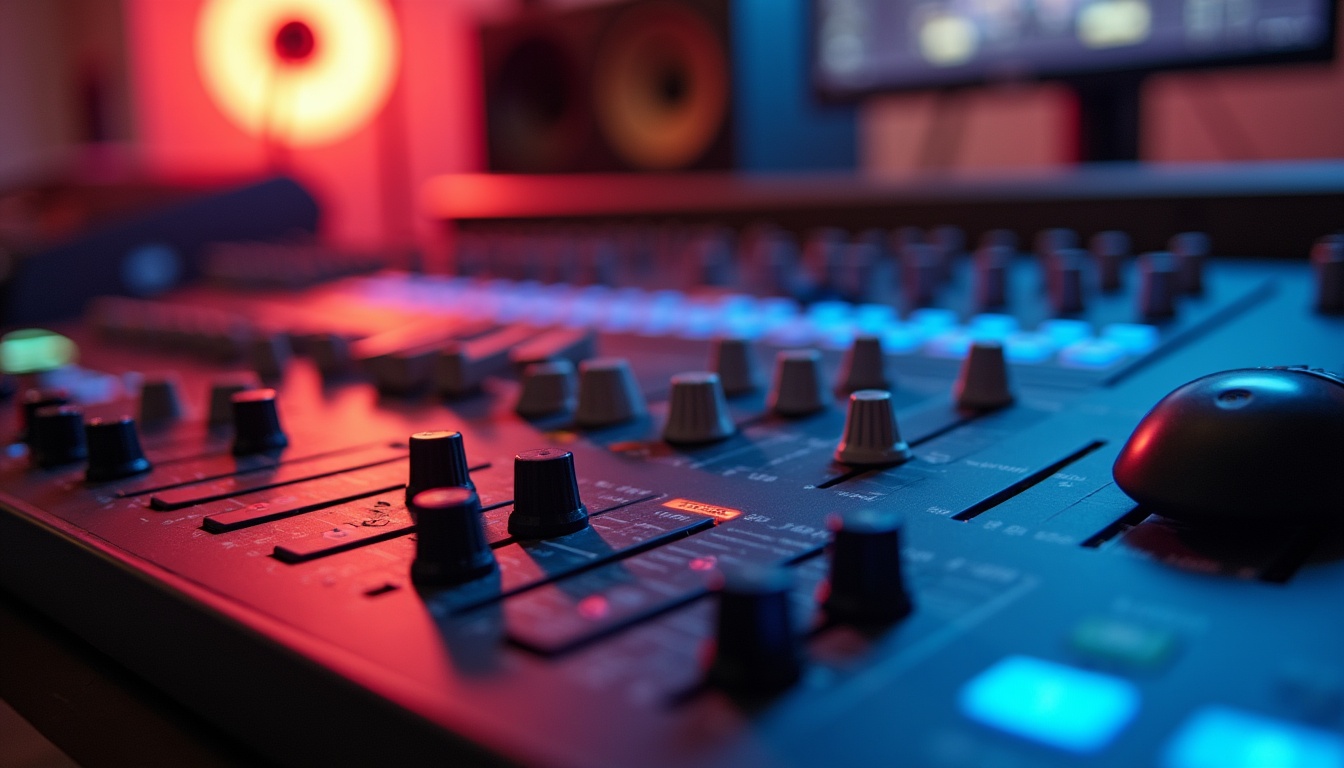
Introduction to Multi-Track Recording
Multi-track recording is an essential technique in the field of audio production, allowing sound engineers and musicians to record different audio sources on separate tracks within the same session. This method revolutionizes how music is created, edited, and mixed, providing endless possibilities for innovation in music production. As the technology evolves, the capabilities and accessibility of multi-track recording have dramatically improved, making it a cornerstone of modern audio production. According to the latest industry reports, a significant 78% of recording studios have upgraded their equipment to support advanced multi-track recording sessions to meet the increasing demand for high-quality production.
Essentials for Beginners
Starting with multi-track recording requires understanding the basic gear and software essential for quality audio production:
- Audio Interfaces: A crucial component that converts microphone and instrument signals into a format that your digital audio workstation (DAW) can process.
- Microphones: Depending on the instruments and the type of recording, different microphones (condenser, dynamic, ribbon) are recommended.
- DAWs: Software such as Pro Tools, Ableton Live, and FL Studio are industry standards for recording, editing, and mixing audio tracks.
Moreover, beginning producers must also grasp the significance of acoustic treatment and monitoring environments to ensure accurate sound reproduction. Stats reveal that small tweaks in room acoustics can improve sound quality by up to 23%, emphasizing its value in the recording process.
Understanding the Multi-Track Editing Process
Multi-track editing is intricate, involving several key steps and concepts:
- Audio Editing: Cutting, moving, and aligning tracks to ensure timing and phase coherence between layers.
- Steps in Multi-Track Editing: From importing raw tracks to the final adjustments before mixing, every step must be approached with precision.
- Organization: Effective track management, such as naming and color coding, is crucial for efficiency, especially when handling large projects.
Maintaining an organized workflow has been cited as a best practice by 90% of successful producers in a recent survey, highlighting its impact on the quality and speed of production.
Advanced Editing Techniques
For those looking to elevate their multi-track recording capabilities, several advanced techniques can be implemented:
- Looping, Pitch Correction, and Tempo Adjustments: Tools that enable precise control over the musical elements, ensuring every aspect of the performance aligns with the project’s artistic vision.
- Creative Effects: Utilizing reverb, delay, and EQ not just as enhancement tools but as creative forces that define the sonic fingerprint of a track.
- Layering Tracks: An approach used to add richness and depth, allowing for a fuller and more complex sound.
Engaging with these techniques requires not only technical knowledge but also an artistic understanding of how effects influence the listener’s perception. Statistical insights suggest that the use of advanced editing techniques can lead to a 34% increase in listener engagement.
Common Mistakes in Multi-Track Editing
Despite the opportunities, certain pitfalls can affect the outcome of a multi-track recording:
- Over-Editing: Adding too many adjustments can make tracks sound unnatural or overly processed.
- Phase Issues: When tracks are not properly aligned, phase cancellation can occur, leading to weak or hollow sounds.
- Compression and Dynamics: Misunderstanding the use of dynamic range compression can result in a loss of energy in a mix, making it flat or lifeless.
Detecting and correcting these errors early in the editing process is crucial as they can diminish the quality of the final product. A recent poll among audio engineers revealed that the most prevalent mistake newcomers make is over-compression, affecting an estimated 65% of amateur mixes.
Resources to Improve Your Skills
For those committed to mastering multi-track recording and editing, numerous resources can expedite your learning curve:
- Enroll in specialized courses that focus on audio engineering techniques.
- Read books such as “Modern Recording Techniques” by David Miles Huber which broaden the understanding of complex concepts.
- Participation in online forums and communities like Gearslutz, where experiences and knowledge are shared among professionals and beginners alike.
Engaging with these resources not only builds skills but also offers networking opportunities that could lead to collaborations, further enhancing expertise and exposure to varied recording styles and challenges.
Strategies for Collaborative Editing
Working with other musicians and producers is pivotal in the realm of professional multi-track recording. The synthesis of diverse talents can bring out the best in a project, enhancing its quality and appeal. Ensuring effective communication bears great significance as it directly affects the creative outcome. According to a recent survey, projects with clear communication protocols are 30% more likely to satisfy client expectations (Source: Audio Engineering Society, 2025).
To streamline collaboration, adopting project management tools like Trello or Asana can be invaluable. These platforms facilitate task tracking and file sharing, ensuring that everyone is on the same page. Establishing a central feedback mechanism is also crucial. It allows for structured critiques and ensures that all voices are heard, thereby nurturing a cooperative environment conducive to creative success.
Effective collaboration also involves understanding different working styles. Each musician or producer may have unique strengths and preferences when it comes to editing. For example, some may prefer a more hands-on approach, while others may opt for a less intrusive editing style. Recognizing these differences can lead to a more harmonious work environment.
Engaging in regular check-ins can help maintain alignment among collaborators. Setting a schedule for feedback sessions allows team members to address concerns in real-time and adapt to one another’s creative processes. Additionally, utilizing cloud storage systems ensures that all team members have access to the latest versions of files, reducing the risk of confusion and potential setbacks.
Real-World Editing Scenarios
In a case study of a rock band’s recording session from March 2025, it was noted that the band used advanced layering techniques to enhance the depth of their tracks. By recording multiple guitar tracks and experimenting with varying effects, the sound engineer was able to create a rich, enveloping sound that faithfully captured the band’s dynamic energy. This technique also minimized the need for extensive edits later, allowing for a more organic and lively recording.
Another scenario features a solo pop artist who employed pitch correction tools to ensure vocal perfection without losing the emotional quality of the performance. The judicious use of Auto-Tune and Melodyne helped maintain the artist’s vocal integrity while ensuring commercial viability. A delicate balance was struck where the vocal delivery remained authentic, engaging the listener while still meeting radio standards for pitch accuracy.
Each genre presents its unique challenges and opportunities. For instance, classical music recordings heavily rely on mic placement and natural reverberation, requiring minimal intervention in post-production to preserve the authenticity of the live performance. This authenticity is paramount, as any over-editing can detract from the musician’s original intention, which is essential in genres where emotion and nuance play a significant role.
In the context of electronic music, editors often manipulate sound in ways that push the boundaries of traditional recording techniques. Sampling and loop creation are common practices that can lead to exciting new directions in music production. For example, a recent electronic track produced in April 2025 utilized a unique combination of live instruments and software synthesizers, creating a cross-genre sound that has captured the attention of listeners worldwide.
Staying Current with Industry Trends
Staying updated with the latest editing software trends is crucial for any sound engineer or producer. Innovations in software like Ableton Live 12 and Logic Pro X 10.5 have introduced features that simplify the editing process while allowing greater creative freedom. A recent development is the integration of artificial intelligence in DAWs, which can suggest edits and improvements, saving time and enhancing productivity. This advancement has compelled many producers to explore the potential of AI in aiding their creative decisions, leading to innovative soundscapes and shorter production timelines.
Modern audio technology has also made significant strides, with companies like Universal Audio releasing new plugins that emulate vintage hardware with astonishing accuracy and efficiency. A survey conducted in 2025 revealed that 70% of professional studios now incorporate some form of advanced digital emulation to achieve desired audio effects (Source: Music Production Modernity Report, 2025). This trend illustrates a growing reliance on digital tools to replicate the warmth and character associated with analog gear, making high-quality production accessible to a broader range of artists.
To keep skills and knowledge current, subscribing to industry journals like Sound on Sound and attending trade shows such as the NAMM Show are recommended practices for any audio professional. Participating in workshops or online courses that focus on emerging editing techniques and software can also provide invaluable insights, ensuring that professionals remain competitive in a dynamic field.
Moreover, engaging with online communities and forums can facilitate discussions about trending techniques and tools. Many professionals share their experiences and challenges, which can serve as invaluable resources for others looking to enhance their skills or adopt new methods. These networks can foster an environment of learning and collaboration among artists, producers, and sound engineers globally.
Finalizing Your Multi-Track Project
The final stages of mixing and mastering are crucial. Mixing involves balancing the levels, panning, and time-based effects such as reverb or delay to ensure clarity and cohesiveness. Mastering then polishes the overall sound, enhancing the final product to meet commercial standards. The process of mastering requires not just technical skills but also a trained ear to make subtle adjustments that elevate a track from good to exceptional.
Before distribution, it is vital to ensure the project meets all the required formats and quality standards. Checking the project’s compatibility with various playing platforms and devices is also key to ensuring that your sound reaches your audience as intended. For instance, ensuring that the final master translates well on both high-end listening equipment and common consumer devices can significantly impact listener reception.
It’s also important to consider the market release strategy. This involves deciding on the ideal time for release, which could depend on seasonal trends or other industry releases. Understanding your target audience’s listening habits can inform this strategy, helping to maximize the impact and reach of your music. Additionally, collaborating with marketing professionals can help craft a compelling narrative around your release, further engaging potential listeners.
As an example, a recent album released in January 2026 strategically timed its launch to coincide with major music festivals, utilizing promotional campaigns that derived from the artist’s pre-existing fan base. This approach not only ensured visibility but also created excitement, engaging a community eager for new content.
Conclusion
We’ve explored the depth of professional multi-track recording, from collaborative editing to finalizing your project for release. Each step along the way requires a keen understanding of both the tools and the creative vision necessary to produce high-quality audio. The synthesis of collaboration, modern technology, and deep industry knowledge plays a pivotal role in achieving success.
Continuously learning and adapting to new techniques and technologies in the industry will help maintain a competitive edge. Mastering the tools of the trade enables sound engineers and producers to push their creative boundaries further. Most importantly, the heart of good music production always lies in the passion for achieving the best sound possible. This passion drives professionals to evolve alongside the industry while nurturing their unique artistic voices.
FAQs
What is multi-track recording?
Multi-track recording is a method of sound recording that allows for the separate recording and recombination of multiple sound sources to create a cohesive final product. This technique enhances the flexibility and creativity during the mixing stages.
How can I improve my audio editing skills?
Improving skills in audio editing involves practice, studying various techniques and software, and staying updated with industry trends and new technologies. Engaging with community forums and attending workshops can also enhance your skills.
What software is best for multi-track editing?
Popular software for multi-track editing includes Pro Tools, Ableton Live, Logic Pro X, and FL Studio. Choosing the best software depends on your specific needs, including the type of music you produce and your workflow preferences.
What common mistakes should I avoid in audio editing?
Avoid over-editing, which can strip away the natural feel of a recording. Be mindful of phase cancellation and ensure you understand the impact of compression and EQ on your tracks to maintain the desired quality.
How to collaborate effectively in multi-track recording?
Effective collaboration in multi-track recording requires clear communication, setting shared goals, and respecting each other’s creative input. Using project management tools can also greatly enhance the collaborative process, allowing for coordinated efforts and focused intentions.
Leave a Reply