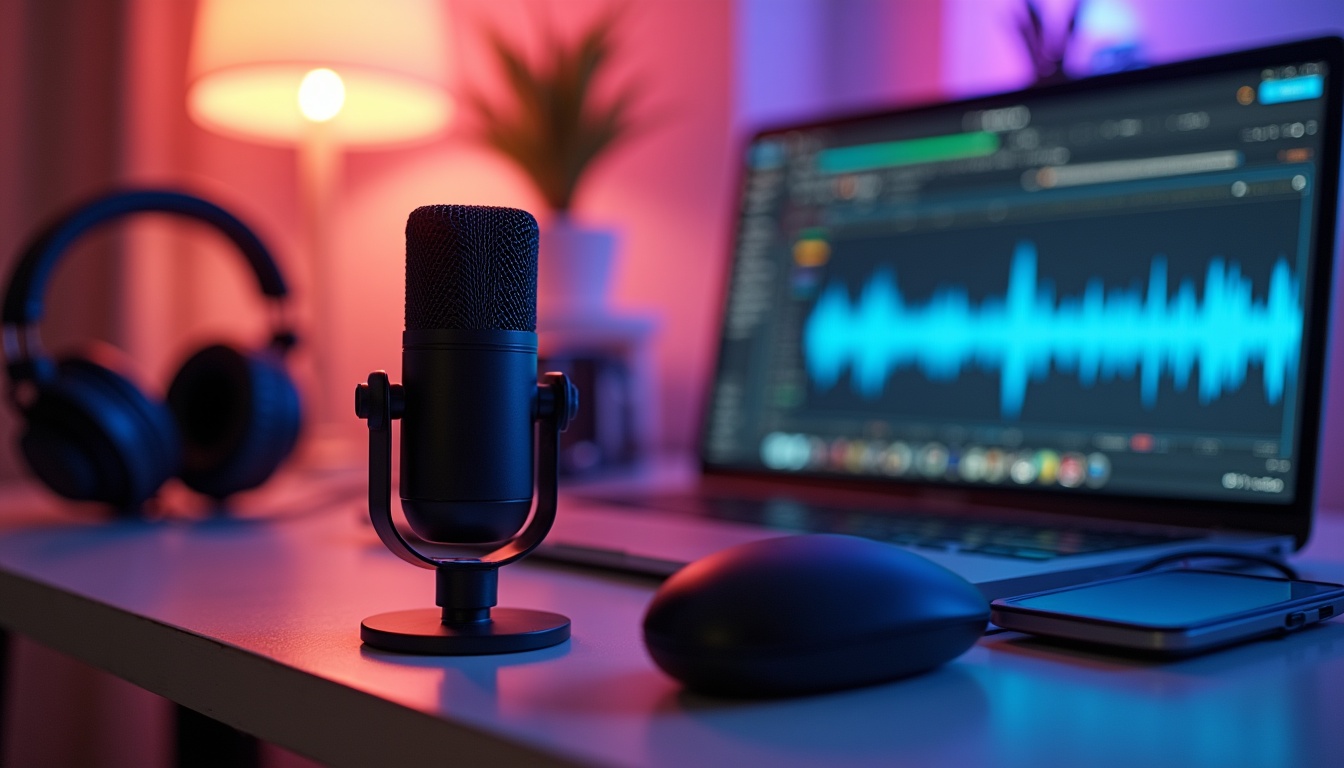
Introduction to Audio Blogging
Audio blogging, an innovative form of digital audio content, allows creators to engage with their audience through spoken word, differing from traditional written posts. It traces its origins to the early 2000s with the rise of podcasting platforms, evolving from basic recordings to elaborate, high-quality productions. Unlike text-based blogs, audio blogs are accessible on the go, making them ideal for today’s fast-paced lifestyle. A recent study highlighted a 25% increase in regular audio content consumption globally over the last year, underscoring the medium’s expanding appeal.
Benefits of Audio Blogging
Audio blogging offers numerous advantages, key amongst them being accessibility and convenience. Users can listen to content while multitasking, from commuting to exercising. This format is particularly potent for engaging storytelling. The human voice can convey emotions and nuances that text sometimes cannot, making complex stories more relatable and absorbing. Furthermore, audio blogs can potentially reach a broader audience. With the proliferation of smart speakers and voice-activated devices, accessibility has broadened, bringing content to a more diverse listener demographic. From an SEO perspective, audio content is increasingly recognized by search engines. Innovations like Google’s audio indexing algorithm enhance visibility, attracting organic traffic and opening new engagement metrics.
How Audio Blogging Works
To set up an audio blog, essential equipment includes a quality microphone and reliable editing software. Alternatively, you can use an AI voice generator like Listen2It to create studio-quality audio from text without any recording equipment. Platforms like Audacity or Adobe Audition offer robust editing features to enhance sound quality. Choosing the right blogging platform is crucial; popular hosts include SoundCloud and Spotify, which facilitate easy publishing and distribution. The process involves recording content, followed by careful editing to ensure clarity and engagement before publication.
Content Ideas for Audio Blogging
Audio blogs can cover a myriad of topics. Popular formats include:
- Interviews: Engaging conversations with guests can provide varied perspectives.
- Reviews: From books to technology, offering insights can attract a niche audience.
- Storytelling: Captivating narratives or serialized fiction can draw regular listeners.
Understanding your audience demographic to tailor content effectively can enhance engagement significantly. Incorporating guest speakers not only diversifies the content but also extends reach, as guests often share episodes with their own networks.
Monetizing Your Audio Blog
Monetizing an audio blog can involve multiple strategies. Embedding ads, securing sponsorships, and selling branded merchandise are prevalent methods. For instance, dynamic ad insertion technology enables the placement of timely and relevant ads for listeners. Statistically, about 60% of podcast listeners have purchased after hearing an advertisement on a podcast, indicating strong conversion potential.
Current Trends in Audio Blogging
Keeping abreast of trends is vital. As of 2025, platforms like Spotify dominate the audio blogging sphere, with over 800 million active users. Growth in audio consumption is robust, with a 30% increase noted in the adoption of audio blogs in the last year. The shift in audience preference towards easily digestible, on-demand content has been instrumental in this growth.
Starting Your Own Audio Blog: Step by Step
Starting an audio blog involves creating a niche—deciding on a specific topic to attract a dedicated audience. Planning the content out in series or episodes can provide structure and continuity. Technically, setting up involves registering the blog on chosen platforms, setting up recording equipment, and possibly creating a website or social media presence to complement the audio content.
Challenges of Audio Blogging
Despite its numerous benefits, audio blogging comes with challenges. Technical issues like poor audio quality can deter listeners, making high-quality recording equipment and editing software essential. Tools like Listen2It eliminate these issues by providing consistent, crystal-clear AI voices every time. Content creation requires consistency and originality to keep the audience engaged and returning. For newcomers, the learning curve can be steep, but thorough research, practice, and perhaps training can make the process more manageable. Initiatives like online tutorials and community forums can provide necessary support and guidance.
To further explore the complexities of audio blogging, it is important to examine tools and techniques that can enhance the quality and reach of audio content. For instance, utilizing advanced editing options such as noise reduction, equalization, and mastering can vastly improve listener experience. Professional podcasts often hire sound engineers or freelance editors to ensure their audio is polished. Additionally, maintaining an engaging narrative can be augmented by the use of background music or sound effects, which require careful attention to copyright laws and licensing.
When engaging with audiences, audio bloggers should also utilize social media platforms for marketing. Social campaigns can be tailored to promote episodes, highlight guests, or tease upcoming content, leading to increased subscribership and listener retention. Influencer partnerships can also be a powerful tool in broadening reach. Collaborations with established audio creators can introduce a blogger’s content to new listeners, capitalizing on existing audiences.
Analyzing performance metrics is fundamental for any content creator. Subscription rates, listener demographics, and engagement analytics from hosting platforms can provide actionable insights. Knowing the audience allows bloggers to tailor future content to their preferences, ensuring continued relevance and appeal.
Considering the evolving landscape of digital content, audio blogging is positioned as a significant player. With technological advancements paving the way for better production tools and a growing audience interest in audio consumption, the potential for success in audio blogging is promising. Embrace the medium, remain adaptable, and let creativity guide the exploration of the numerous opportunities that audio blogging presents.
In addition to technical considerations, understanding legal aspects is also critical. Compliance with copyright laws and regulations around content use is paramount to avoid legal repercussions. Voiceovers, music, and quotes from other works require proper permission or licenses. Educating oneself on the distinctions between fair use and copyright infringement can aid in creating a legally safe audio blog.
Networking within the audio blogging community can lead to collaborative projects or cross-promotion opportunities. Podcasting conventions and local meet-ups serve as platforms for creators to connect, share insights, and elevate their content through communal knowledge.
Finally, evolving consumer preferences emphasize the importance of authentic and relatable content. Listeners favor hosts who convey genuine passion and knowledge about their chosen subjects. Establishing an authentic voice and personal brand can further engage audiences, gaining trust and fostering a loyal community of listeners. The audio blogging space thrives on connection, relatability, and authenticity, elements that resonate deeply with a diverse audience spectrum.
With the ongoing experimentation and iteration of content formats, the future of audio blogging is bright and filled with potential. Audio bloggers who prioritize quality, consistency, and audience connection are likely to find success in this expanding field, as the demand for engaging audio content continues to rise.
Promoting Your Audio Blog
In an increasingly competitive digital space, effectively promoting your audio blog is crucial. Engaging your audience through various marketing channels while optimizing your content for search engines can significantly increase your reach and listener engagement.
Utilizing Social Media: Platforms like Twitter, Facebook, and Instagram serve as powerful tools for promoting audio content. Use hashtags related to podcasting or your specific niche to increase visibility and drive engagement. Share behind-the-scenes content, upcoming episode teasers, and user-generated content to keep your audience interested and engaged. By consistently posting content and engaging with followers, you can foster a community around your audio blog.
SEO for Audio Content: Optimize your audio blog by using relevant keywords in your descriptions and tags. Tools like Google’s podcast management can help you understand how well your audio content is performing in searches. Remember to include transcripts of your episodes, which not only make your blog more accessible but also SEO friendly. For instance, using tools like SEMrush or Ahrefs can help you identify which keywords are trending in your niche, allowing you to adjust your content strategically.
Engagement Techniques: Encouraging interaction through call-to-action prompts can foster an active community. Invite listeners to submit questions or share their own experiences, providing a platform for discussions that increase engagement. Consider organizing contests or giveaways to incentivize participation and foster loyalty among your audience. Regularly engaging with your community can also provide you with valuable insights into what your listeners want to hear.
Building a Community Around Your Audio Blog
Creating a dedicated listener base goes beyond mere numbers; it’s about fostering an environment where interactivity flourishes, fostering a sense of community among your listeners.
Importance of Listener Interaction: Regular interaction with your listeners makes them feel valued, encouraging continued engagement with your content. Utilizing polls, Q&A sessions, and discussing listener-submitted topics can make your audience feel involved and seen. For instance, dedicating a segment of your show where you answer listener questions can personalize their experience and enhance their connection to your content.
Feedback for Continual Improvement: Actively seek out and incorporate feedback. This not only improves your content’s quality but also shows your commitment to your listeners. Tools like online surveys or direct comments on your hosting platform can be useful. Engaging with feedback can also inspire future episode topics, creating a loop of content creation that resonates deeply with your audience.
Community Engagement Strategies: Organize live streams or meetups, which can deepen connections and give your audience an opportunity to engage with you and each other face-to-face or in real-time, enhancing community spirit. These events can create memorable experiences for listeners, boosting loyalty and word-of-mouth promotion.
Future of Audio Blogging
The audio blogging landscape is continuously evolving, influenced by technological advancements and shifting listener preferences.
Industry Predictions: The rise in smart speaker usage and improvements in voice recognition technology are likely to drive more interaction through voice commands, making podcasts more accessible and broadening the listener base. According to a recent report, 57% of consumers now prefer using voice-activated devices for content consumption, indicating a substantial shift in how audiences engage with audio content.
Technological Advancements: Innovations like 3D audio and better integration across different platforms could provide more immersive listening experiences, ensuring the medium’s growth. As technology evolves, audio bloggers might explore new formats and styles of content delivery that can enhance listener enjoyment and retention. For example, advanced audio editing tools can allow you to create richer soundscapes, thus attracting more listeners.
Adapting to Changes: Successful audio bloggers will likely be those who can move quickly to incorporate new technologies and trends, ensuring their content remains relevant and engaging. Observing industry trends and staying updated with the latest tools and techniques can enable content creators to stay ahead of the curve.
FAQs About Audio Blogging
What equipment do I need to start audio blogging?
Begin with a good quality microphone, headphones, and audio recording software. As you grow, consider advancing to professional editing software and perhaps a soundproofed recording environment. Investing in reliable equipment enhances your audio quality, which is vital for retaining listeners.
How do I promote my audio blog?
Effective promotion strategies include leveraging social media platforms, utilizing email marketing, engaging directly with listeners, and employing SEO best practices for podcasts. Additionally, collaborating with influencers or other bloggers can extend your reach significantly.
Can I monetize my audio blog, and how?
Yes, through methods like sponsorships, advertising, selling merchandise, or offering premium content for a fee. According to recent statistics, 63% of podcasts now include sponsored content, highlighting a growing trend in monetization.
Is audio blogging suitable for all types of content?
Almost all content types can be adapted to audio, especially topics that benefit from a personal touch or storytelling, such as personal development, education, and entertainment. For example, a cooking blog can transition beautifully into an audio format where the blogger shares recipes and cooking tips audibly.
How often should I release new audio content?
Consistency is key. Most successful audio blogs release episodes on a regular schedule, be it weekly or biweekly, maintaining listener interest and engagement. Regular schedules can help listeners establish a routine, making them more likely to return for new content.
Conclusion
Audio blogging holds a vital place in today’s digital content landscape, proving itself as an accessible and engaging medium for information and entertainment. With the right strategies and a commitment to quality and consistency, anyone motivated can not only start but also grow and find success in audio blogging.
Embrace the evolving nature of audio content and the technological tools at your disposal to create captivating, informative, and interactive audio experiences for your listeners. The future is bright for audio blogging, and by staying informed and adaptable, you can thrive in this dynamic environment.
Leave a Reply