In-Depth Comparison of AI Voice Generators in 2025
Play ht vs Cartesia: a definitive side-by-side of voice catalogs, latency, customization, and developer tools to help content teams and product builders pick the right TTS platform in 2025.
Play ht and Cartesia represent two poles of modern TTS. Play ht offers a mature, no-code studio with a broad catalog of realistic voices across languages, branded voices, SSML, and batch workflows—ideal for content creators, marketers, educators, and publishers who need fast, scalable voiceovers and easy publishing. Cartesia is a developer-first engine focused on low-latency neural synthesis, fine-grained prosody control, voice cloning, and streaming APIs, tailored for conversational agents, interactive apps, and production-grade workflows. In 2025, the decision hinges on workflow and technical capacity: choose Play ht for rapid production, broad voice variety, and no-code tooling; choose Cartesia for sub-second latency, live customization, and deep integration into apps and back-end systems. Both platforms offer cloning options and multi-voice scenes, plus API-based integrations and enterprise security measures. This comparison examines UI/UX, customization, pricing models, platform reach, performance, and compliance, with concrete guidance for content teams, e-learning, marketing, accessibility, and product engineering. The result helps readers decide whether Play ht, Cartesia, or Listen2It best fits goals, budget, and the desired development effort.
Platform Profiles
Play ht
Play ht : What Is It?
Target Audience & Use Cases:
- •Convert blog posts into narrated audio for websites.
- •Produce course narration for e-learning modules at scale.
- •Create podcast episodes from scripts with hosting integration.
- •Generate marketing voiceovers for ads and video content.
- •Build branded text-to-speech voices using voice cloning safely
Key Metrics:
- •Offers REST API and real-time streaming support today
- •Provides WordPress plugin for easy blog-to-audio publishing workflows
- •Supports SSML, pronunciation dictionary, multi-voice scene editing capabilities
- •Supports exports to MP3, WAV, and embeddable players
- •Offers tiered subscription plans plus custom enterprise agreements
- •Provides team collaboration, project management, and bulk processing
Ease of Use:
Play.ht’s web studio is intuitive for non-technical users, featuring drag-and-drop scene building, pronunciation tools, SSML controls, and export presets. Developers have clear API docs and SDK examples. Onboarding is quick with templates, but advanced voice tuning can require learning time.
Cartesia
Cartesia : What Is It?
Target Audience & Use Cases:
- •Power conversational AI assistants with sub-second speech synthesis.
- •Embed live voice in multiplayer games for dialogue.
- •Enable IVR systems with streaming TTS and control.
- •Power in-app voice agents with realtime prosody tuning.
- •Convert speech-to-speech or localized voices for live interactions.
Key Metrics:
- •API-first platform with WebSocket and REST streaming capabilities
- •Provides JS and Python SDKs for faster integration
- •Designed for sub-second latency in conversational audio applications
- •Supports prosody tokens, style controls, and voice cloning
- •Pricing primarily usage-based with developer free credits available
- •Enterprise options include SLAs, custom deployments, and support
Ease of Use:
Cartesia targets developers with concise SDKs, API-centric docs, and streaming code samples. Integration requires coding for WebSocket or WebRTC pipelines and prosody tokens. Onboarding expects engineering resources; latency testing and tuning are essential for production-grade conversational experiences and monitoring workflows.
Feature-by-Feature Comparison
Here’s how Play ht and Cartesia stack up, category by category:
| Feature | Play ht | Cartesia |
|---|---|---|
| 1. Ease of Use & Interface | The web studio is intuitive with a visual timeline editor and drag-and-drop workflow that gets non-technical teams producing polished voiceovers quickly. Text editing includes SSML controls, pronunciation dictionaries, and multi-voice scene management, while exports and embeddable players simplify publishing without engineering help. | The platform is API-first and optimized for engineers, offering SDKs and code samples for fast integration into apps. There is little/no no-code studio, so setup requires development work, but streaming examples and clear API references enable rapid prototyping of interactive, low-latency voice experiences. |
| 2. Features & Functionality | • A large library of neural voices with multi-language and accent support is available for content production.
• Voice cloning and custom-brand voice options allow creation of bespoke spoken identities.
• SSML support and a pronunciation dictionary enable precise control over output text.
• Batch generation, timeline editing, and multi-voice scenes streamline audiobook and podcast workflows.
• Embeddable audio players and podcast feed generation facilitate site and syndication publishing.
• REST API and real-time streaming endpoints enable both file-based and interactive delivery workflows. | • Low-latency streaming APIs are designed to deliver sub-second synthesis for conversational applications.
• Fine-grained prosody and style token controls enable detailed adjustment of pitch, cadence, and emotional tone.
• Voice cloning capabilities support creation of custom synthetic voices from recorded samples.
• REST and WebSocket endpoints support both batch and streamed synthesis use cases.
• SDKs for common languages accelerate embedding into web and mobile apps.
• Programmatic workflows and real-time parameter updates enable dynamic, context-aware voice generation. |
| 3. Supported Platforms & Integrations | • A browser-based studio supports direct project creation and export without additional tooling.
• A REST API and SDKs enable programmatic access and automation from backend services.
• A WordPress plugin and embeddable audio player make site integration straightforward.
• Webhooks and common automation routes enable CMS and marketing stack connectivity. | • REST and WebSocket APIs provide the backbone for server-side and streaming integrations.
• JavaScript and Python SDKs simplify client and server embedding of synthesis capabilities.
• WebRTC or streaming transport options support real-time in‑app voice experiences.
• Cloud-first deployment and enterprise integration patterns allow embedding into production backends. |
| 4. Customization Options | • SSML fields and simple UI controls allow adjustment of speed, pitch, pauses, and emphasis.
• A pronunciation dictionary provides deterministic handling of names, acronyms, and edge-case terms.
• Multi-voice scene composition enables mixing speakers and dialogues within a single project.
• Voice cloning and brand-voice options permit consistent spoken identity across assets.
• Style and emotion presets offer quick tonal changes without deep technical tuning. | • Token- and parameter-level control lets developers tune prosody, emphasis, and speaking style programmatically.
• Streaming-time parameter updates allow dynamic adjustments during real-time synthesis.
• Voice cloning APIs enable creation of custom voices tied to specific application needs.
• Developer-defined behavior hooks support context-aware voice variations and dialogue management.
• Style tokens and presets provide reusable expressive settings for consistent conversational tone. |
| 5. Pricing & Plans | • Tiered subscription plans provide monthly character or minute quotas for predictable content workflows.
• Team and business plans include collaboration features and centralized billing for content teams.
• Custom voice cloning is available as an add-on or higher-tier feature with dedicated setup.
• A free tier or trial is offered to test voice quality and basic functionality before purchasing.
• Enterprise agreements provide custom SLAs, volume pricing, and dedicated support options. | • Usage-based pricing is applied to API calls, typically measured by characters, seconds, or streamed minutes to match product usage.
• Free developer credits or a trial tier are provided to evaluate real-time integration and latency characteristics.
• Volume discounts and negotiated enterprise contracts are available for high-throughput customers.
• Pay-as-you-go billing aligns costs to actual interactive or event-driven traffic patterns.
• Enterprise offerings include contract terms for uptime SLAs and private deployment options when required. |
| 6. Customer Support | • A searchable knowledge base and help center provide quick answers and how-to guides for common workflows.
• Email and live chat support are available, with priority response tiers on higher subscription plans.
• Onboarding resources and templates help teams get production-ready faster without deep engineering involvement. | • Comprehensive API documentation and code examples form the primary support surface for developer integrations.
• Direct support channels and developer community access are available, with enterprise SLAs for critical incidents.
• Integration guides and sample applications assist engineering teams in achieving low-latency deployments. |
| 7. User Experience & Performance | • High-fidelity neural voices produce natural-sounding narration that is well-suited for marketing and e‑learning content.
• File-based generation and batch exports are optimized for throughput and consistent audio quality across large projects.
• Real-time streaming capabilities exist but are primarily tuned for interactive features rather than ultra-low-latency conversational agents.
• Performance can be very fast for standard content workflows, with occasional latency considerations for real-time heavy loads. | • Engineered for sub-second response, the streaming path delivers snappy synthesis for conversational interfaces.
• Fine-grained prosody controls improve turn-taking and naturalness in multi-turn dialogues.
• The platform scales to support concurrent real-time streams when integrated with appropriate backend infrastructure.
• Achieving peak performance requires engineering effort to tune buffering, network paths, and client-side playback handling. |
Play ht vs Cartesia: The Ultimate Comparison
Pros & Cons Table
Play ht
 Pros
Pros
- Web studio lets non technical users produce polished voiceovers quickly
- Large voice catalog, voice cloning, SSML and pronunciation controls available
- WordPress plugin, REST API, embeddable players and CMS workflows supported
- Batch processing, timeline editor, multi voice scenes and export formats
- Offers real time streaming API for lower latency integrations workflows
 Cons
Cons
- Less granular programmatic prosody controls compared with developer focused APIs
- Subscription tiers include character quotas that may cause overage charges
- Voice cloning and enterprise features often require paid add ons
- Not primarily optimized for sub second real time conversational latency
- Enterprise compliance documents and on premise options should be verified
Cartesia
Pros
- API first design provides sub second streaming for interactive experiences
- Fine grained prosody control, style tokens and stream time adjustments
- JS and Python SDKs, WebSocket streaming and WebRTC support available
- Built for developers with scalable API, enterprise deployment options available
- Optimized for sub second response and low latency conversational UX
Cons
- Smaller preset voice catalog and limited no code studio options
- Requires developer integration and steeper learning curve for non developers
- Smaller ecosystem with fewer CMS plugins and mainstream reviews publicly
- Usage based pricing can increase significantly with high concurrency demands
- Logging, retention, and model training opt out policies require confirmation
Listen2It is the go-to AI voice platform for fast, natural-sounding speech across projects.
Alternatives to Play ht and Cartesia
Bringing innovation, accessibility, and studio-quality voices together for creators, teams, and enterprises.
Why Choose Listen2It?

Effortless Usability
Clean UI, with drag-and-drop workflow for voiceovers, podcasts, and audiobooks.

Advanced Features
Choose from 600+ AI voices in 80+ languages, with natural-sounding emotional intonation and regional accents.

Cost-Effective Plans
Flexible pay-as-you-go and affordable subscriptions, with all premium voices included—no surprise fees.

Speed & Performance
Lightning-fast rendering, even for long scripts or audiobooks. Cloud-based—no software install needed.

Collaboration & API
Multi-user workspaces and robust API for automation or large-scale projects.
Security & Compliance
GDPR-compliant, secure cloud storage, dedicated support.
When is Listen2It better?
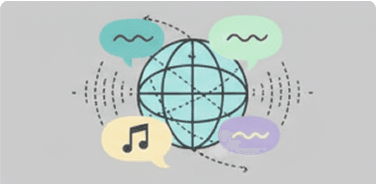
If you want more global language coverage or unique voices
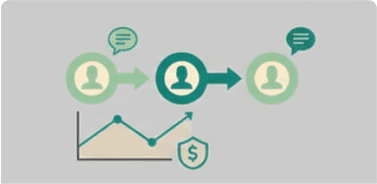
If you need a platform for both high-volume and one-off projects
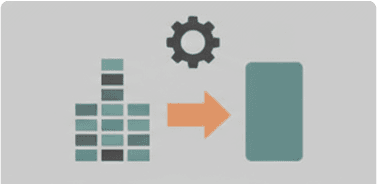
If you value seamless workflows and team features without a steep price tag
Security, Privacy, & Compliance
Play ht
- •Platform uses encryption for data in transit.
- •Company publishes a privacy policy and controls.
- •Confirm certifications and DPA availability with vendor.
- •Supports access controls like SSO and RBAC.
Cartesia
- •API traffic transmits over encrypted transport channels.
- •Developer controls govern data retention and privacy.
- •Request audit reports and DPAs for compliance.
- •Provides tokenized access, API keys, and RBAC.
Use Cases: Which Tool is Best for You?
Play ht
Choose Play ht if:
- •Convert blog posts to narrated audio with embeddable player SEO
- •Create brand voice clones for consistent narration across videos courses
- •Use pronunciation dictionaries and SSML to localize course narration precisely
- •Generate podcast feeds, batch convert articles into high quality audio
Cartesia
Choose Cartesia if:
- •Power conversational agents with low latency streaming TTS prosody control
- •Convert incoming speech to matched voices for live dubbing agents
- •Integrate WebRTC, WebSocket streaming and SDKs enabling low latency voice
- •Programmatically adjust tokens and parameters for expressive dialogue and timing
User Reviews & Real-World Feedback
Play ht
What Users Like About Play ht
“As a content marketer, I use the studio for narrations; voices sound great but quotas frustrate sometimes.”— Maya R., Content Marketer
“As an instructional designer, I rely on pronunciation dictionaries and cloning; occasional robotic inflection needs finer control.”— Daniel H., Instructional Designer
Cartesia
What Users Like About Cartesia
“As a product engineer, I integrated streaming TTS for live agents; latency is excellent but catalog smaller.”— Lina O., Product Engineer
“As a startup founder, I built a voice assistant using APIs; prosody control helped, documentation sometimes sparse.”— Carlos M., Founder
Conclusion
Final Thoughts: Both Play ht and Cartesia are strong text-to-speech solutions, but they cater to different audiences and needs.
- •Choose Play ht if you require a polished no-code studio, a large, production-ready voice catalog, and predictable subscription pricing for fast content workflows—ideal for creators, marketers, and e-learning teams producing volume audio.
- •Opt for Cartesia if your focus is on sub-second streaming APIs, programmatic prosody and voice control, and usage-based pricing that scales with real-time apps—perfect for developers building conversational agents and interactive voice experiences.
- •Consider Listen2It if you want the best blend of global voice options, easy team collaboration, and cost-effective plans.
Expert Recommendation
Our Verdict:
- •Need predictable subscription billing and fast content-to-audio workflows? → Play ht
- •Need fine-grained runtime control of prosody and low-latency streaming for conversational UX? → Cartesia
- •See our side-by-side table and deep dive below to choose.
Decision Checklist:
- •Need a no-code studio, batch exports, and WordPress-friendly publishing? → Play ht
- •Need sub-second latency and streaming TTS with SDKs for in-app voice agents? → Cartesia
- •Need the widest range of languages/voices or robust team tools? → Listen2It
Frequently Asked Questions
Ready to try the next generation of AI voices?
Start using Listen2It for free—no credit card required!